#10 BAAD Studio, Philippines
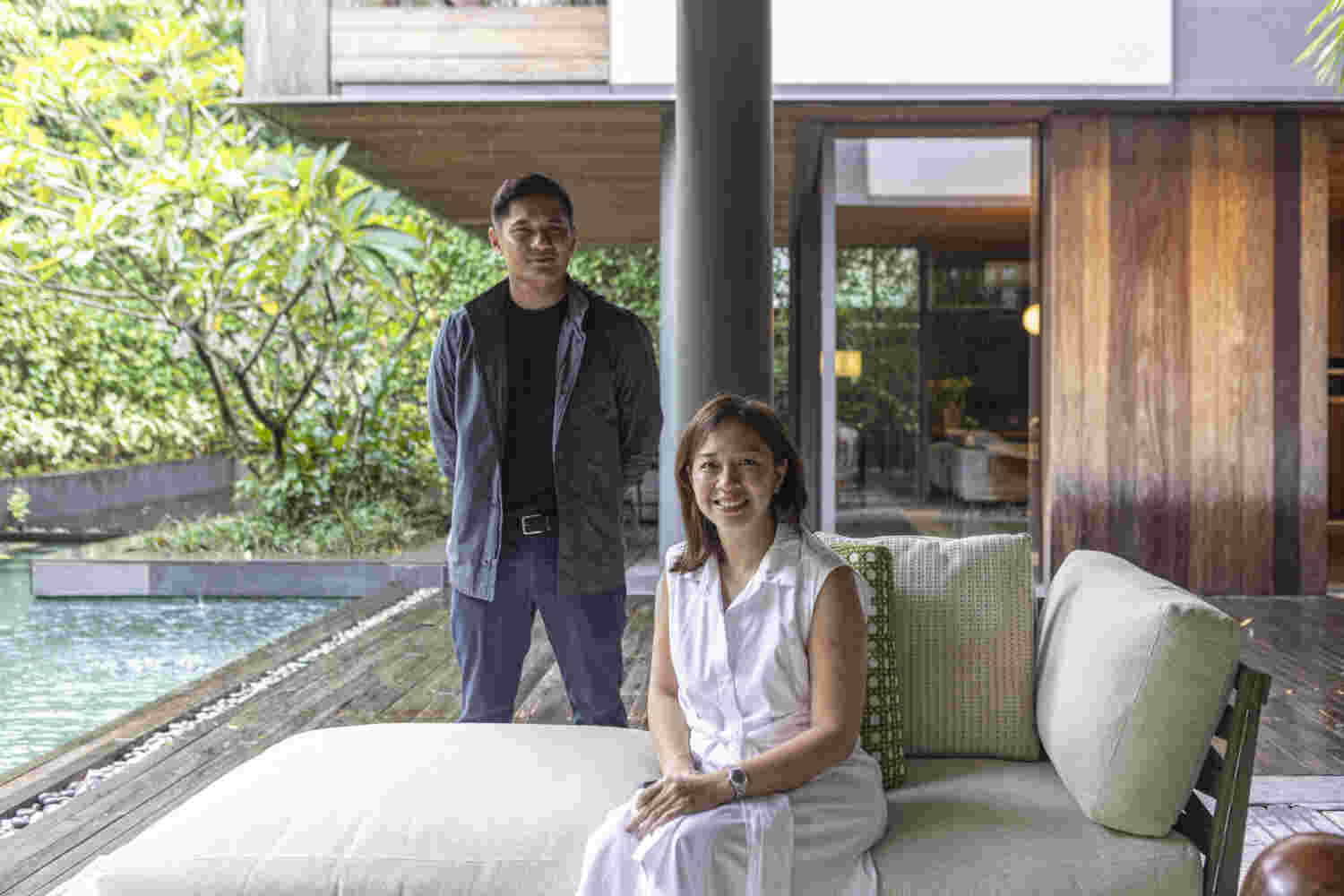
For BAAD Studio, being a visionary is not about grand gestures. It’s about being in tune with people, the environment, the materials and the rhythms that shape everyday life.
Architects Benjee Mendoza and An Bermejo-Mendoza founded BAAD Studio in 2010, allowing the practice to grow naturally as opportunities came their way. “We built BAAD Studio in 2010, and we’re grateful that its beginnings were organic. The studio grew naturally, shaped by demand, and guided by our capacity and capabilities at every stage,” An recalls
Today, BAAD Studio is known for its thoughtful and context-driven approach, a philosophy shaped by the climate, culture, and lived realities of the Philippines.
In this edition of THE VISIONARIES, they reflect on how this approach informed the celebrated DL House, the first home in the Philippines to install Orama Minimal Frames back in 2018, and how tropical architecture continues to evolve across Southeast Asia.
Designing with Climate, Context, and People
For BAAD Studio, good design begins with people and is anchored firmly in place. “Good design is something that resonates with the client’s vision, how they see themselves in a space for the next decade or two or three, which should always work within a tropical climate, and should reflect the context of where it belongs.
In the Philippines, a country shaped by heat, humidity and the unpredictability of typhoons, design cannot simply be beautiful, It must perform. “Climate responsiveness is not an option. We’ve always known and experienced that great architecture doesn’t matter when it was built or where it was built. Always resonates within its place, reacts towards its conditions and really performs under weather, especially harsh weather such as in the Philippines in Southeast Asia.”
For An, this relationship between structure and environment must always be symbiotic: “It’s about creating a balance, one where people, place, and climate are all closely connected.”
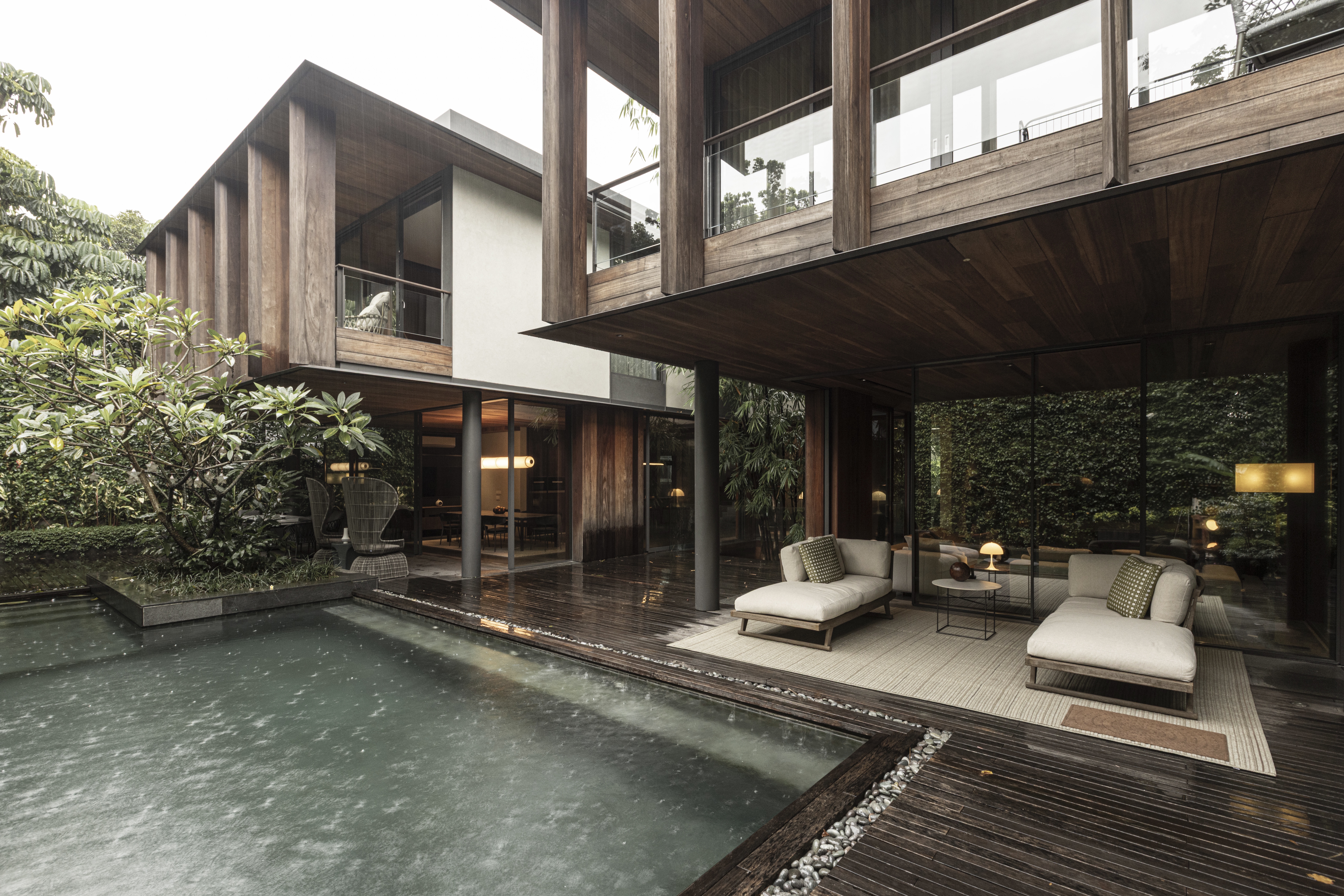
The owner’s main interest was to incorporate hardwood from his own collection and focus on natural materials
DL House: A Home Shaped by Light, Air, and Natural Materiality
Set on a narrow site between neighboring homes, the DL House required strategic thinking from the beginning. Instead of retreating into enclosed volumes, BAAD Studio opened the house inward, allowing air, light, and greenery to shape each moment of living.
“I think specifically for this project, there were just a few strategies we had to consider, given that the property is sandwiched between houses on both sides. It’s not as expansive as other properties, but nevertheless, we didn’t want to create a big volume, deep spaces, or dark corners. So instead, An started the plan with multiple courtyards,” Benjee explains.
A key decision and a defining moment came when the client expressed a rare preference for natural materials.There are very few clients who want to make heavy use of natural materials like natural wood… the owner’s main interest was to incorporate hardwood from his own collection and focus on natural materials chosen specifically for this house,” An shares.
Courtyards, voids, and light wells became the home’s organizing principle — not only for comfort, but for privacy and sustainability. Environmental factors guided both the plan and the experience of each space.
“The layout of the house was driven by environmental factors… with the busy street at the back, we worked through voids and courtyards to let light penetrate from the top, down to the basement, and to create internal views,” adds An.
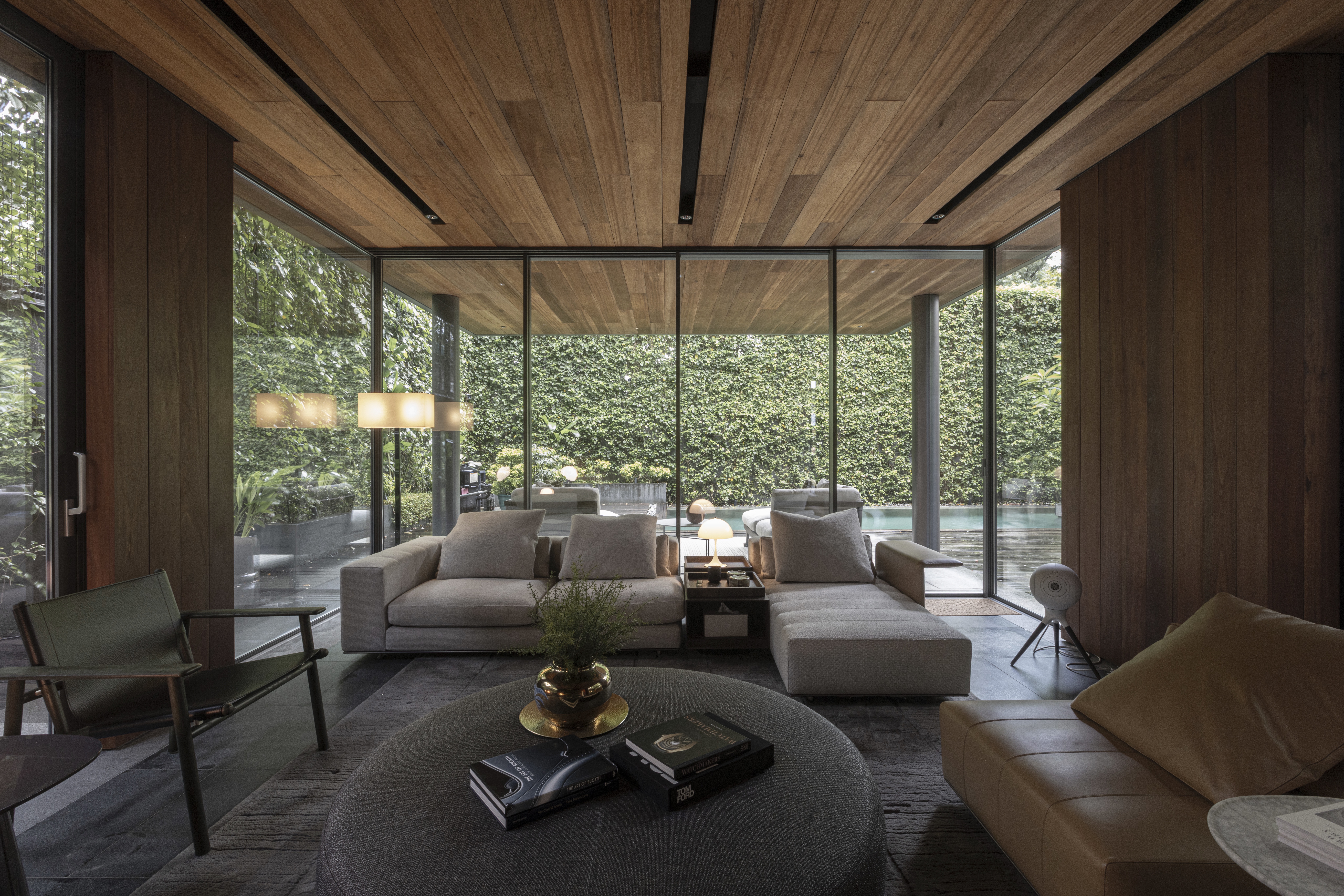
These pockets of space create different points of view depending on where you’re sitting or standing
A home defined by change
For BAAD Studio, there is no single space in DL House that defines it. Instead, the architecture reveals itself through changing conditions, the weather, the light and mood.
“The thing with this house is, there isn’t just one ‘way’ of experiencing it. These pockets of space create different points of view depending on where you’re sitting or standing,” says Benjee. “Or even your mood on that day—where you feel like sitting,” adds An.
“Or the angle of the sun,” Benjee continues. “Sometimes the central courtyard with the koi pond looks incredible when it’s raining. Other times, the morning sun casts just enough light through the bamboo foliage to bring it inside. There are moments when you just want to see the shadows of the imperfect wood, or the play of the blades.”
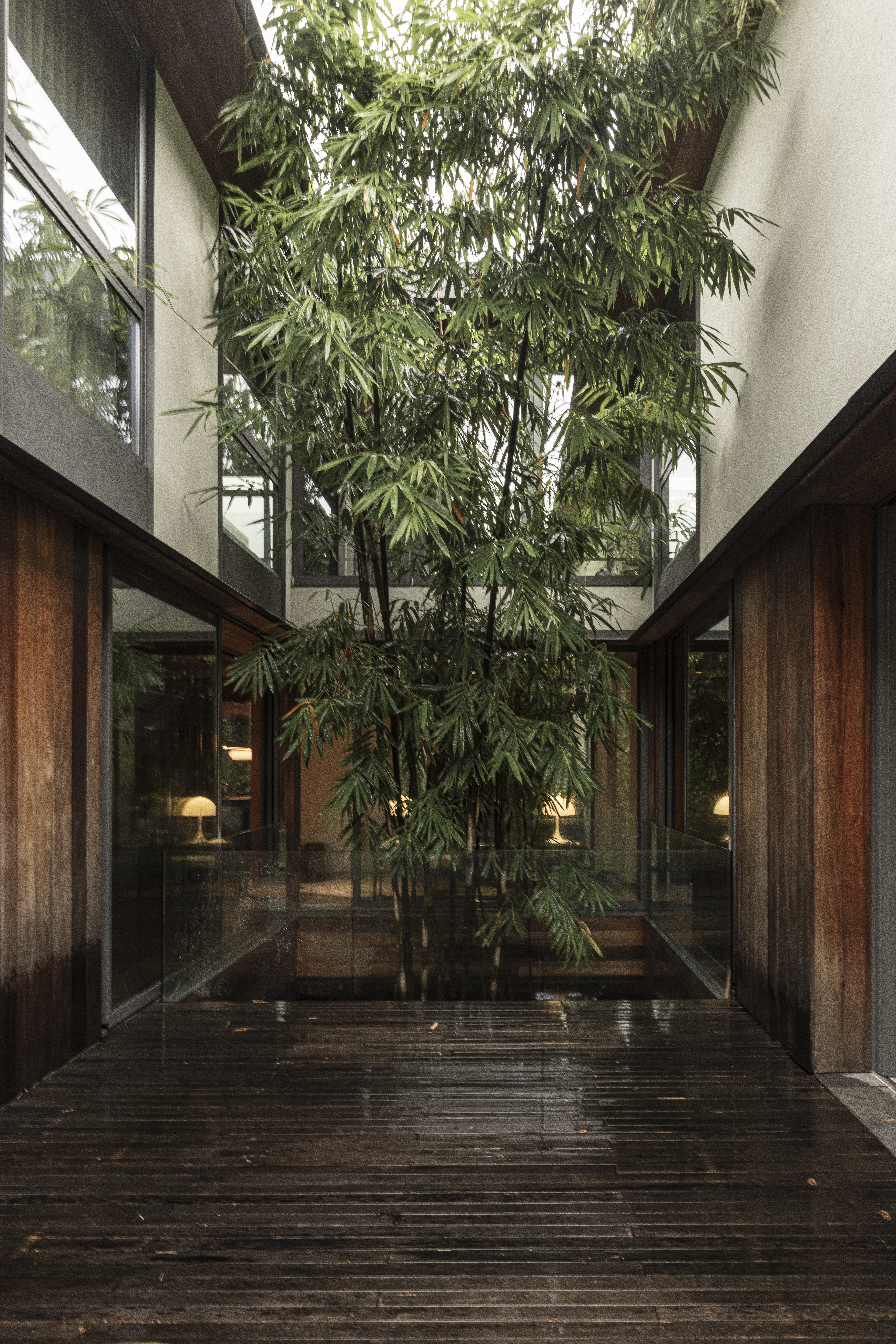 This sensory richness comes from a planning-first approach.“This house wasn’t meant to look a certain way—it all started from the plan. I remember our first presentation to the client: it was just a plan, no perspectives. That’s how BAAD Studio always starts a project—thinking about how people move, what they see as they move through spaces, and how those spaces perform in terms of comfort,” says Benjee.
Orama Minimal Frames: Precision, Strength and Aesthetic value
As one of the first homes in the Philippines to install Orama Minimal Frames, DL House used them not simply as windows, but as a technical and experiential tool central to the project’s ethos.
“The key role of using Orama windows is to keep out unwanted elements outside of the house. These nuances are what create a comfortable living space.”, says Benjee.
For An, the appeal was also in the refinement of the system.
“As architects, we also consider the aesthetic value of the window system. Orama has beautiful finishes and hardware, which our client really appreciated. How the seamless system flooring from the inside to the outdoors—which the client specifically requested from us to have no level changes. I think Orama was able to answer that for this project.”
The system’s clarity and slender profiles contributed to the home’s seamless transitions.
Lastly, once sealed, the air quality inside can be maintained on a humid day, the noise can be maintained very well. Yet the clarity of the relationship of what’s inside and outside is not disruptive. So this is what we meant by using the minimalist, very slender profile, which creates seamlessness in which there’s a very small differentiation of it being open and it being closed,” says Benjee.
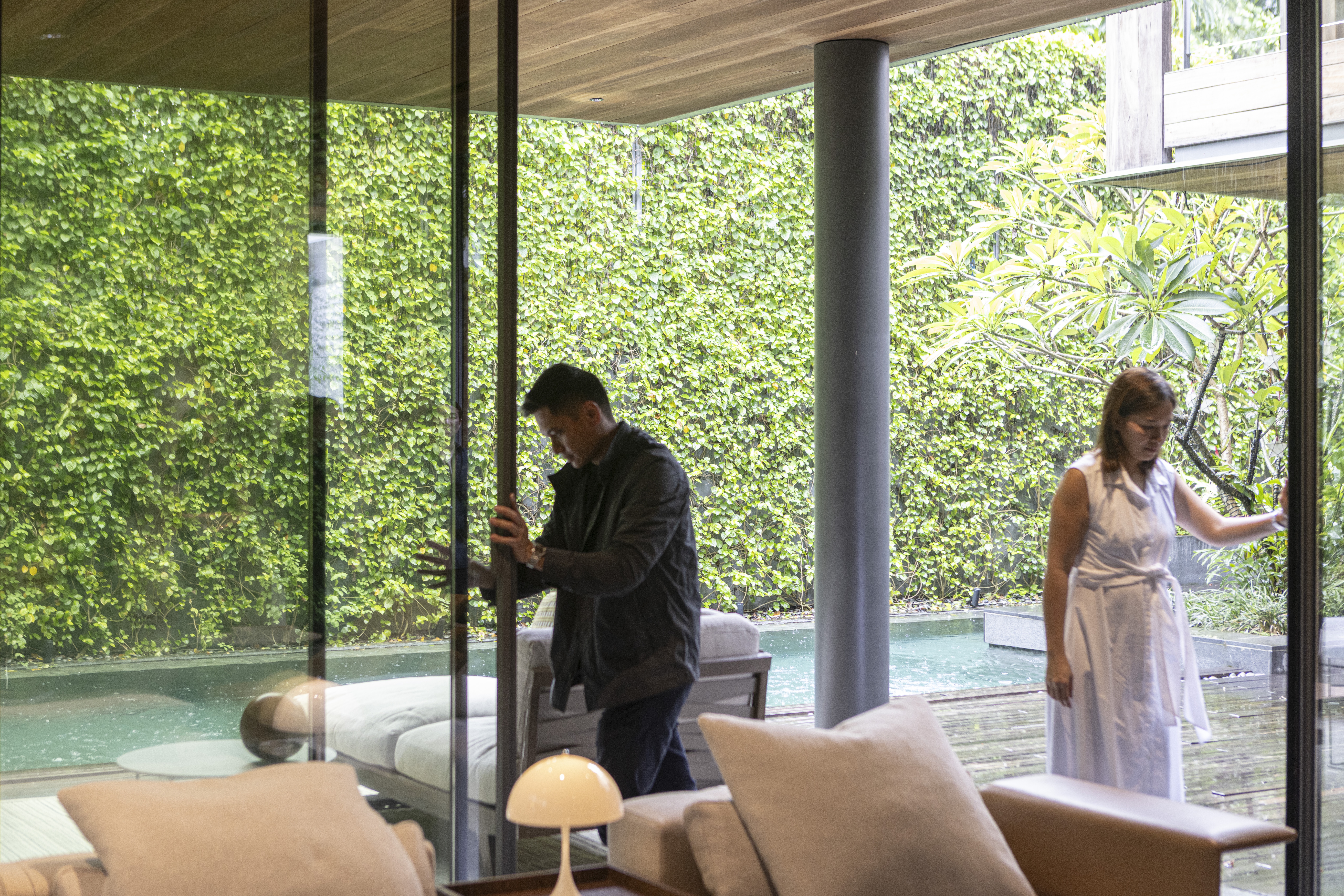
Orama system’s clarity and slender profiles contributed to the home’s seamless transitions.
The Future of Tropical Architecture
When asked where tropical architecture is heading, An and Benjee see momentum toward smarter materials, sustainable construction, and deeper cultural grounding.
“Philippine tropical architecture is heading nowhere but towards extensive use of highly sustainably built or sourced materials. We root ourselves into the past not just aesthetically but by using innovation to aid us into smarter decisions for the use of the house,” says An.
Benjee expands on this future: For Benjee, it’s also about evolving craft: “There’s a shift toward computer-aided fabrication, upcycling, and recycling… companies are becoming more conscious about production.”
But while tools evolve, architecture remains a dialogue, between builders, clients and climate.
“You have to be sensitive — not only to the client but also to the environment and the unique qualities of each site… We learn how to balance these aspects through experience.”
Every project becomes a continuation of that conversation, a way of learning, refining, and moving forward.
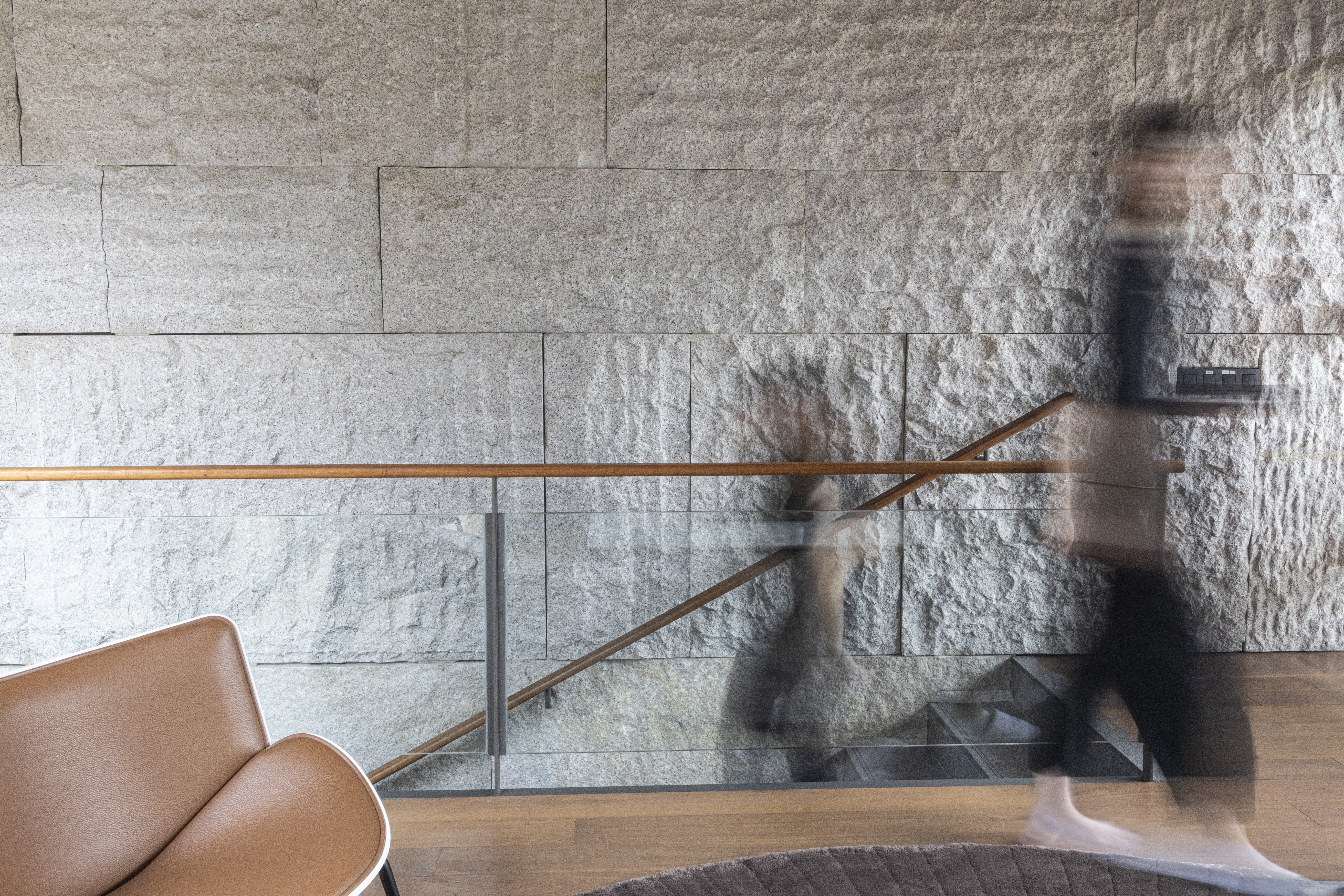
View of the DL House
Being a Visionary
For BAAD Studio, being a visionary is not about grand gestures. It’s about being in tune with people, the environment, the materials and the rhythms that shape everyday life.